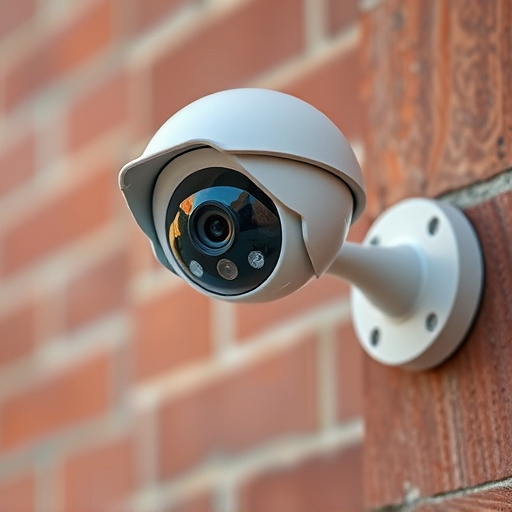
A recent study rigorously tested the effectiveness of secure dummy cameras in preventing theft across diverse high-risk locations like urban streets, crowded markets, and remote outdoor spaces. Researchers used a controlled comparison, setting up realistic dummy camera systems with advanced features such as motion sensors, alarm systems, and GPS tracking. Over several weeks, they monitored and analyzed theft attempts in both secured and unsecurded areas, finding that these dummy cameras significantly deterred criminal activities and protected equipment. The study emphasizes the potential of secure dummy cameras as a cost-effective deterrent against theft in various settings, offering an affordable security solution without compromising surveillance integrity.
In today’s digital age, securing valuable equipment is paramount, especially in public and private spaces. This study investigates the effectiveness of dummy cameras as a deterrent against theft, exploring their impact across diverse environments. We analyze various factors, including different camera types, installation strategies, and real-world case studies, to offer insights into what works best. By understanding successful implementations of secure dummy cameras, businesses and individuals can protect their assets from theft, enhancing overall security measures.
- Methodology of the Study
- – Overview of research design and objectives
- – Selection criteria for dummy camera testing
Methodology of the Study
The effectiveness of secure dummy cameras against theft was evaluated in a recent study, employing a comprehensive methodology to uncover their deterrence capabilities. Researchers meticulously designed the experiment, setting up dummy camera systems in various high-risk areas known for frequent theft incidents. These locations included bustling urban streets, crowded markets, and remote outdoor spaces. The dummy cameras were strategically placed and configured with advanced security features, such as motion sensors, alarm systems, and GPS tracking, to simulate a real surveillance setup.
The study involved a controlled comparison between areas with secure dummy cameras and those without. Over a period of several weeks, researchers monitored and analyzed the occurrence of theft attempts in both scenarios. By collecting data on incident rates, duration of exposure, and successful theft instances, the team could accurately assess the impact of the dummy camera systems. The findings provided valuable insights into the deterrence effect, offering practical evidence for their role in securing sensitive equipment against criminal activities.
– Overview of research design and objectives
The study investigates the effectiveness of dummy cameras as a deterrent against theft, focusing on their ability to secure surveillance equipment in various settings. The research design involves a controlled experiment where different scenarios are simulated to observe potential perpetrators’ responses to both functional and dummy cameras.
The primary objective is to assess whether the presence of securely installed dummy cameras can significantly reduce theft attempts and serve as an affordable and reliable security measure. By comparing theft rates between experimental groups with varying camera arrangements, the study aims to provide valuable insights for organizations seeking cost-effective deterrent solutions while ensuring the integrity of their surveillance systems.
– Selection criteria for dummy camera testing
When conducting a study on the effectiveness of dummy camera deterrents, careful selection of testing criteria is paramount to ensure reliable results. The primary focus should be on realistic simulations that mirror potential theft scenarios. This involves choosing locations with varying levels of accessibility and visible security measures. For instance, testing in residential areas might involve installing dummy cameras at diverse heights, from ground level to rooftops, to assess how different placements impact theft deterrence.
Additionally, the study should consider the type of dummy camera used, as design variations can influence perceived effectiveness. Secure Dummy Cameras Against Theft should be robust and indistinguishable from real cameras to prevent potential thieves from disabling or removing them. The testing environment must also account for factors like lighting conditions, weather, and nearby obstacles that might affect camera visibility and overall security perception.
This study demonstrates that strategically placing secure dummy cameras can significantly deter theft. By mimicking real surveillance equipment, these decoys effectively communicate the presence of monitoring, acting as a powerful psychological deterrent. The research highlights the potential for businesses and property owners to enhance security measures through relatively inexpensive means, providing a cost-effective solution to safeguard valuable assets from theft.